The Grand Canal is Venice's main arterial waterway - a 3.8-kilometre reverse-S that separates the city into two halves and lines up the most recognisable palazzi in Italy. Staying directly on it puts you inside the postcard, but it also raises real logistical questions: which vaporetto stop is closest, how noisy is the waterfront at night, and does the canal-view premium actually translate into a better trip? This guide breaks down what staying on the Grand Canal actually involves, and which of the three central hotels here best matches your priorities.
What It's Like Staying on the Grand Canal
The Grand Canal is not a quiet backstreet - it carries vaporetto lines, water taxis, delivery barges, and gondolas from dawn until well past midnight, and rooms facing the water will register that ambient noise. Vaporetto Line 1 stops roughly every 5-7 minutes at major points along the canal, making it one of the most connected transit corridors in Venice, so you rarely need to walk more than 10 minutes to reach a stop. The tradeoff is that the waterfront itself gets congested near Rialto and the Accademia Bridge, particularly between 10 a.m. and 6 p.m. during peak months.
Travellers who want immediate access to San Marco, Rialto, and the Accademia without navigating Venice's labyrinthine calli benefit the most from this location. Those who prioritise sleep, silence, or a neighbourhood feel might find a canal-adjacent side street more comfortable than a frontage directly on the water.
Pros:
- * Direct vaporetto access from the canal stops connects you to Santa Lucia train station, the airport bus at Piazzale Roma, and San Marco in under 15 minutes
- * Most major Venetian landmarks - Rialto Bridge, Ca' d'Oro, Ca' Rezzonico, the Peggy Guggenheim Collection - are either on or within a 5-minute walk of the canal
- * Canal-view rooms offer a living view of Venetian daily life that no interior courtyard can replicate
Cons:
- * Waterfront noise from vaporetti and delivery boats starts before 7 a.m. and continues into the late evening
- * The most trafficked stretches near Rialto are genuinely crowded between spring and autumn, slowing down any on-foot movement
- * Canal-facing rooms carry a consistent price premium - typically around 30% more than equivalent rooms without a water view
Why Choose a Central Hotel on the Grand Canal
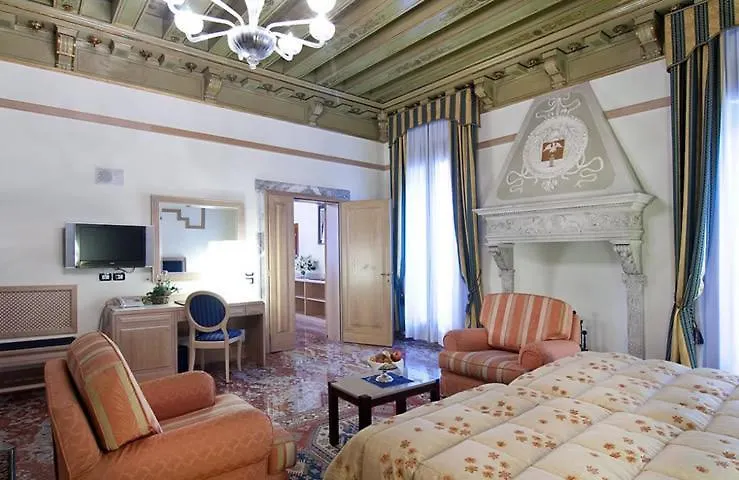
Central hotels along the Grand Canal occupy historic Venetian palazzi that have been converted into accommodation - properties that cannot be replicated anywhere else in the city by design or scale. Unlike hotels tucked into the sestieri away from the water, these properties give guests direct orientation: you always know where you are relative to the rest of Venice. Room sizes in canal palazzo hotels tend to run larger than equivalent-category hotels in denser sestieri like San Marco or Cannaregio, partly because the original buildings were private residences with proportioned rooms rather than purpose-built hotels.
The practical upside of a central Grand Canal address is the reduction in navigation time. Arriving by water taxi from Marco Polo Airport, your boat drops you at the hotel's private dock. Leaving for a day trip to Murano or Burano, the vaporetto stop is steps away. Around 80% of Venice's main visitor attractions sit within a 15-minute walk or one vaporetto stop of the canal's central stretch - a concentration unmatched by any other area of the city.
Pros:
- * Historic palazzo buildings with surviving frescoes, terrazzo floors, and original architectural details that budget or modern hotels cannot offer
- * Immediate vaporetto connectivity reduces the need to navigate Venice's complex calle network with luggage or at night
- * Canal-facing terraces and rooftop spaces provide unobstructed views across the water - an amenity unique to this strip
Cons:
- * Canal-view rooms and palazzo-style properties sit at the higher end of Venice's accommodation pricing curve
- * Older buildings can mean variable soundproofing between rooms; check whether rooms are listed as soundproofed before booking
- * No street-level parking - arriving by car means using a garage at Piazzale Roma and transferring by water, which adds time and cost to check-in
Practical Booking & Area Strategy for the Grand Canal
The most strategically positioned stretch of the Grand Canal for central access runs between the Ca' Rezzonico stop (Dorsoduro) and the Ca' d'Oro stop (Cannaregio), covering both the Rialto district and the Accademia area. Hotels near the Ca' Rezzonico stop sit roughly equidistant between San Marco and the Santa Margherita neighbourhood - a 10-minute walk to Piazza San Marco across the Accademia Bridge. Hotels near Ca' d'Oro are within a 5-minute walk of Rialto Bridge, putting the Mercato di Rialto, Campo San Polo, and the northern vaporetto network within easy reach.
For transport, Vaporetto Line 1 is the slow scenic route covering every major canal stop; Line 2 is the express, skipping intermediate stops and running faster between Ferrovia and San Marco. Book at least 8 weeks ahead for stays between April and October, when Grand Canal hotels sell out their canal-view rooms first. November through January offers the sharpest price drops and the fewest crowds, though acqua alta (high water flooding) is a real logistical factor in autumn and winter months. The Grand Canal area is safe at all hours - the waterfront is well-lit and remains active with locals and tourists throughout the evening.
Best Value Stays
These two properties combine genuine Grand Canal positioning with strong connectivity to Rialto and accessible pricing relative to the market - making them the most practical entry points to staying on the canal itself.
-
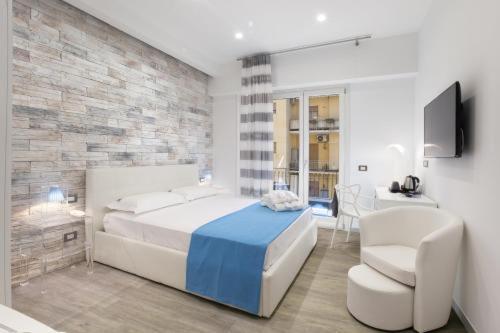
1. Foscari Palace
Show on map


 Check-infrom 14:00 until 23:59Check-outuntil 11:00
Just a few rooms left at the best rate!
from€ 136
-
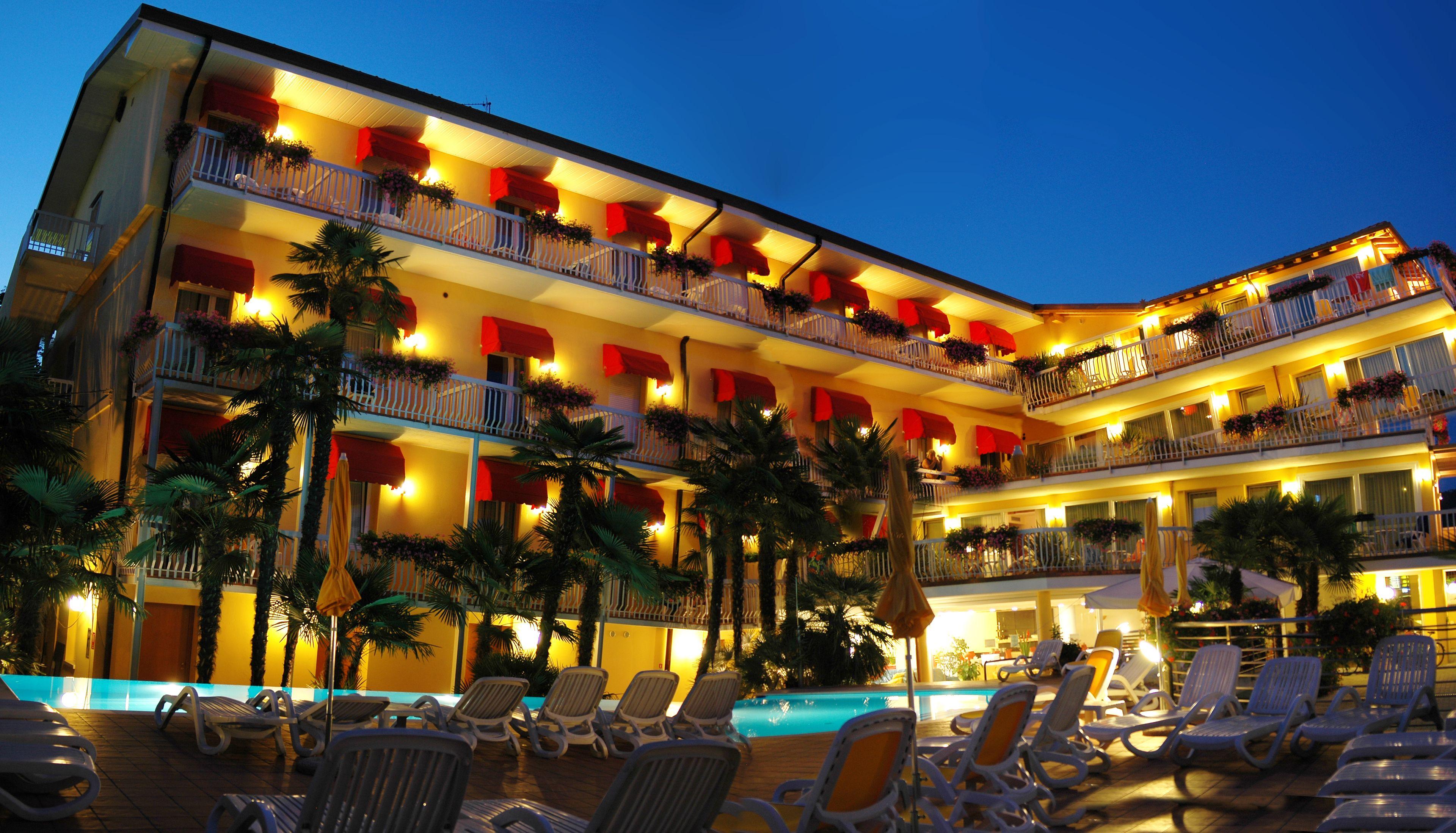
2. Al Ponte Antico
Show on map


 Check-infrom 14:00 until 23:59Check-outuntil 12:00
Hurry – almost gone at this price!
from€ 424
Best Premium Stay
For travellers prioritising a landmark canal address with historic interiors, rooftop facilities, and a full hotel-service stack, Hotel Palazzo Stern sits at the top of what the Grand Canal's central stretch offers in this selection.
-
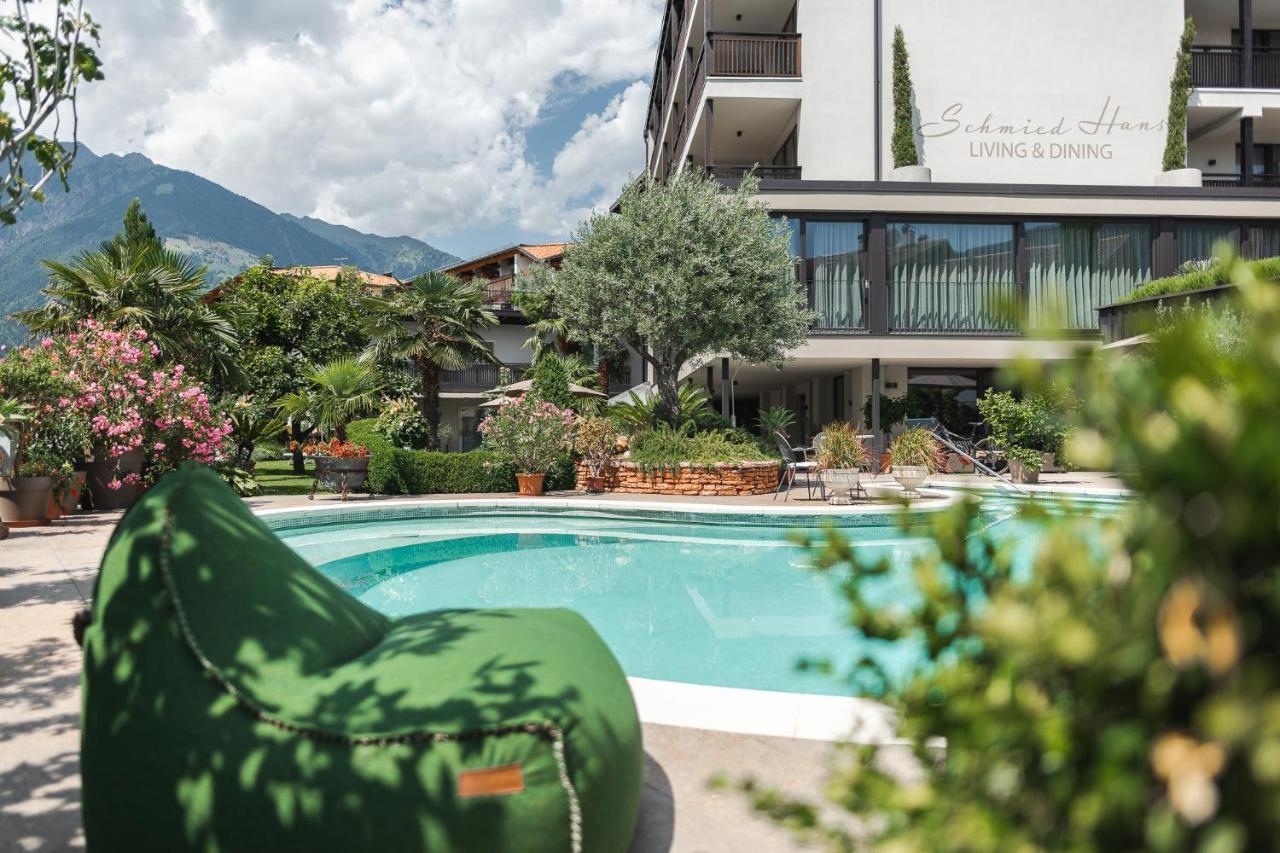
3. Hotel Palazzo Stern
Show on map


 Check-infrom 14:00 until 23:59Check-outfrom 07:00 until 12:00
Rooms filling fast – secure the best rate!
from€ 129
Smart Travel & Timing Advice for the Grand Canal
The Grand Canal hits peak occupancy in July and August, when canal-view rooms at mid-range properties regularly exceed €300 per night and the vaporetto stops near Rialto become genuinely congested by midday. September is the most balanced month: summer heat has dropped, crowds thin by around the second week, and prices begin to soften while the weather remains reliable for terrace and waterfront use. Venice Carnival in February drives a sharp, short-term price spike - often comparable to summer rates - and requires booking months ahead for any canal-fronting property.
For the Grand Canal specifically, a stay of 3 nights is the practical minimum to use the vaporetto network efficiently and reach both the northern attractions (Ca' d'Oro, Cannaregio) and the southern ones (Accademia, Dorsoduro, Zattere) without rushing. Book canal-view rooms at least 10 weeks ahead for any travel between Easter and the end of October; those room categories sell before standard rooms. November through January brings the lowest rates and the quietest waterfront atmosphere, but acqua alta flooding - most frequent in October-December - can affect ground-floor areas and calle navigation, so check forecasts and pack waterproof footwear.