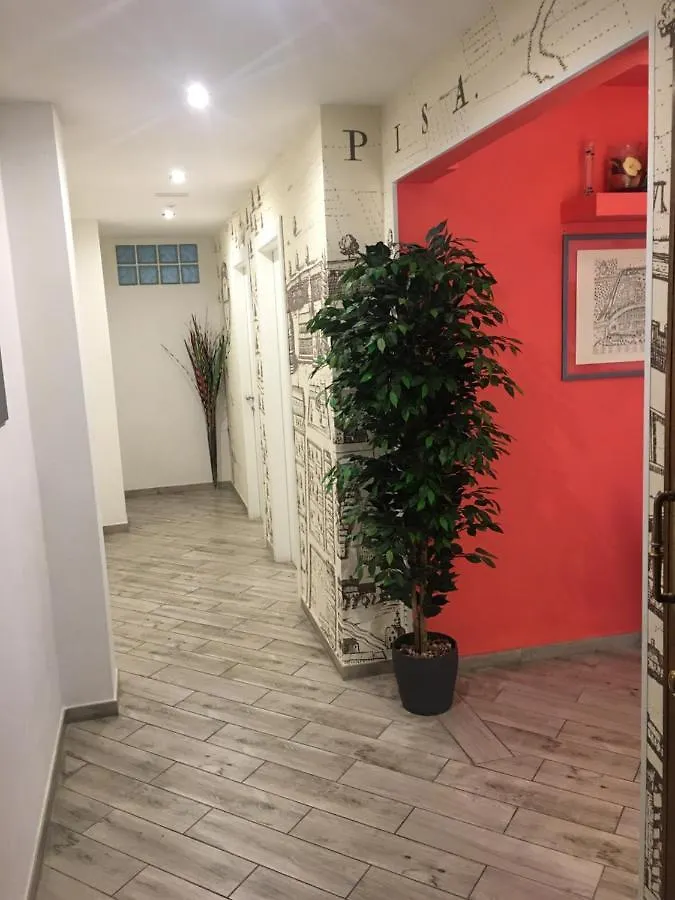
Pisa City Centre puts you within walking distance of the Leaning Tower, the Arno riverfront, and Pisa Centrale train station - three entirely different reference points that define how you'll experience the city. Staying centrally means no transit costs to reach the Campo dei Miracoli at dawn before crowds arrive, and direct access to Pisa's dense network of medieval streets, university piazzas, and riverside restaurants. This guide covers 7 central hotels in Pisa City Centre with precise location context, booking strategy, and property-level detail to help you make the right call.
What It's Like Staying In Pisa City Centre
Pisa City Centre is compact - the distance between Pisa Centrale train station and Piazza dei Miracoli is around 2 kilometres, walkable in under 25 minutes on flat ground. The area splits into two distinct zones: the station-adjacent grid, which is commercial and fast-moving, and the medieval core around the Arno and Campo dei Miracoli, which quiets down after evening crowds leave. Tourist density peaks sharply between 10:00 and 17:00 near the Leaning Tower, making early mornings and late evenings the most liveable hours in the historic streets.
Pros:
- Walking access to Piazza dei Miracoli, the Arno riverfront, and Pisa's university district without needing transport
- Pisa Centrale station connects to Florence in under 1 hour and to Rome in around 3 hours, making day trips seamless
- Pisa International Airport is reachable in under 15 minutes by taxi or shuttle from most central hotels
Cons:
- Streets directly adjacent to Piazza dei Miracoli carry significant daytime noise and foot traffic from tour groups
- Central hotels command a price premium over properties in outlying neighbourhoods like Riglione or Marina di Pisa
- Parking in the historic centre is limited and often charged separately, making car travel logistically complicated
Why Choose Central Hotels In Pisa City Centre
Central hotels in Pisa City Centre range from family-run B&Bs metres from Piazza dei Miracoli to full-service 3-star properties at the station. Unlike accommodation on the city's periphery, centrally located hotels eliminate the need for local buses or taxis entirely - a practical advantage when you're working with early morning flights from Galileo Galilei Airport or catching the first Frecciabianca to Florence. Properties closest to the Campo dei Miracoli typically charge around 20% more than equivalent-quality hotels near the train station, with the trade-off being immediate access to Pisa's most visited monuments.
Pros:
- No transport costs for sightseeing - the Leaning Tower, Pisa Cathedral, Baptistery, Camposanto, and Museo dell'Opera del Duomo are all walkable
- Station-adjacent central hotels offer easy bag storage and early check-in options suited to rail travellers arriving before standard times
- Many central properties include buffet breakfast, which offsets the cost of eating out in the tourist-priced restaurants around Piazza dei Miracoli
Cons:
- Room sizes in the historic core are smaller than equivalent-rated hotels outside the centre, due to older building structures
- Noise from street activity, especially near the university quarter along Borgo Stretto, can affect lighter sleepers in front-facing rooms
- The tourist premium on food and services within a few blocks of major monuments means daily costs add up faster than in quieter city zones
Practical Booking & Area Strategy
The two strongest micro-locations for central hotels in Pisa are Via Santa Maria - the main pedestrian artery connecting the station area to Piazza dei Miracoli - and the blocks immediately surrounding Pisa Centrale on Via Filippo Corridoni and Piazza della Stazione. Via Santa Maria positioning puts you within a 5-minute walk of the Leaning Tower, while station-adjacent hotels give you faster airport connections and Trenitalia access. The Arno riverfront around Lungarno Mediceo and Lungarno Gambacorti adds a third micro-zone: quieter than both, with access to Borgo Stretto's covered arcade shopping and the city's authentic aperitivo scene.
Book at least 6 weeks ahead for travel between April and September - Pisa draws significant day-tripper and overnight traffic during these months, and central properties under €100 per night sell out earliest. Night-time in the historic centre is safe and low-key; the university population keeps bars and trattorias active until around midnight, particularly along Via Oberdan and Piazza delle Vettovaglie.
Best Value Stays
These properties deliver strong central positioning at competitive price points, with locations near either Piazza dei Miracoli or Pisa Centrale station and essential amenities included.
-
1. B&B Ariston Pisa Tower
Show on map


 Check-infrom 15:00 until 22:00Check-outfrom 05:00 until 10:00
Just a few rooms left at the best rate!
from€ 77
-
2. Hotel La Pace
Show on map


 Check-infrom 14:00 until 23:59Check-outuntil 11:00
Just a few rooms left at the best rate!
from€ 73
-
3. Hotel Alessandro Della Spina
Show on map


 Check-infrom 14:00 until 23:59Check-outuntil 11:00
Just a few rooms left at the best rate!
from€ 94
Best Premium Stays
These four properties offer enhanced facilities, stronger locations, or distinctive character - from a rooftop terrace overlooking the Leaning Tower to a historic Arno-front building in continuous operation since 1837.
-
4. Nh Pisa
Show on map


 Check-infrom 15:00 until 23:59Check-outuntil 12:00
Hurry – almost gone at this price!
from€ 100
-
5. Grand Hotel Duomo
Show on map


 Check-infrom 14:30 until 23:59Check-outuntil 11:00
Hurry – almost gone at this price!
from€ 48
-
6. Royal Victoria Hotel
Show on map


 Check-infrom 15:30 until 23:59Check-outfrom 03:00 until 12:00
Rooms filling fast – secure the best rate!
from€ 48
-
7. Hotel Di Stefano
Show on map


 Check-infrom 14:00 until 23:59Check-outuntil 11:00
Rooms filling fast – secure the best rate!
from€ 159
Smart Travel & Timing Advice for Pisa City Centre
Pisa's central hotel market runs on a clear seasonal curve. April through June and September are the highest-demand months - school group tours, European city-breakers, and Tuscany road-trippers all converge during these windows, and central properties near Piazza dei Miracoli sell out fastest. July and August remain busy but shift toward international leisure tourists; prices hold high but last-minute availability occasionally opens as shorter-stay visitors check out mid-week. November through February is the quietest and most affordable period, with prices dropping noticeably and queues at the Leaning Tower almost non-existent before 11:00.
For most itineraries, 2 nights in Pisa City Centre is the functional minimum - enough to cover Piazza dei Miracoli in depth, walk the Arno riverfront, and explore Borgo Stretto and the Piazza delle Vettovaglie market. Book at least 6 weeks ahead for peak season if targeting properties on or near Via Santa Maria, where the best-located central hotels at each price tier fill earliest. Arriving by train from Florence or Rome makes station-adjacent properties the most frictionless option; arriving by air makes properties on the western historic side - closer to the airport - marginally more practical for late arrivals.